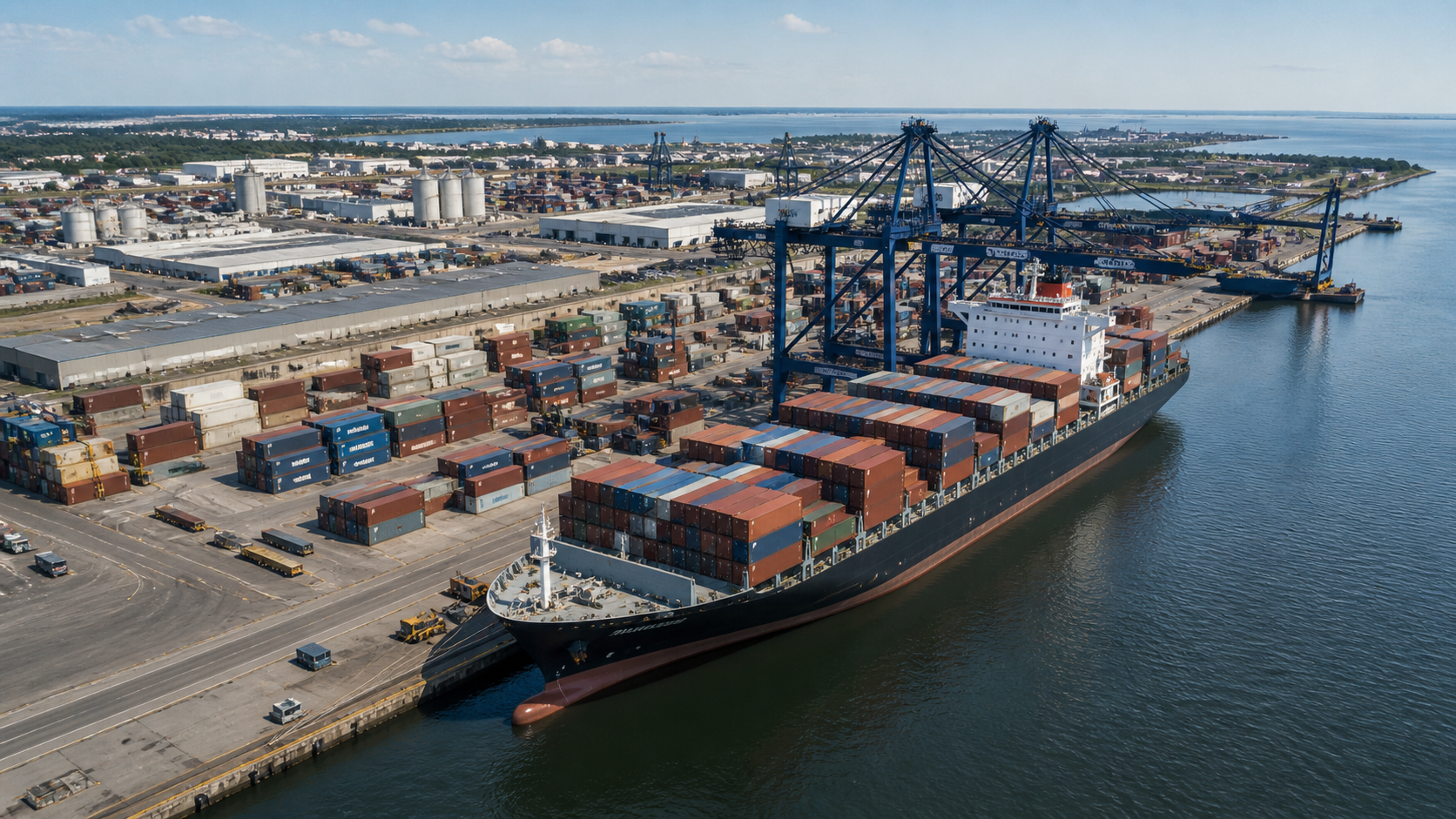
PORTS, TERMINALS AND BULK STORAGE
Recovery for rejected and condition-affected cargo at ports and terminals
Verloop recovers and routes rejected, damaged and condition-affected cargo from UK ports, terminals and bulk stores into compliant recovery routes. We know which outlets will take grain, oilseeds, feed ingredients, food commodities and by-products in the condition they are in, and Verloop Vision, Verloop's own traceability platform, records the movement from quay to final destination.
Rejected and damaged cargo we recover at UK ports
- Consignments rejected by the buyer on quality or specification
- Heated, mouldy or water-affected bulk grain, oilseeds and meal
- Damaged containers of food, feed or ingredients
- Spillage, sweepings and residues from handling and storage
- Stock in bulk stores or silos that has gone out of specification
- Consignments refused by port health, where the authority permits recovery rather than destruction or re-export
- Branded or contaminated cargo that needs depackaging or certified destruction
What we do
- Assess the material and its condition, with your team or the cargo surveyor
- Identify the permitted outlets: feed, anaerobic digestion, biomass, oil recovery or other recovery routes
- Arrange haulage from the quay or store, around your berth and handling schedule
- Record weights, custody and destination in Verloop Vision
- Issue an evidence pack for the port, the cargo owner and any insurer involved
Why it matters for a port
Rejected cargo takes up quay and storage space every day it sits. A quick decision on a compliant route, from people who already know which outlets take which cargoes, frees capacity, limits demurrage and storage costs, and gives the cargo owner and their insurer the evidence they need to close the matter.
Frequently asked questions
Who removes rejected cargo from a UK port?
The cargo owner remains responsible, but specialists such as Verloop recover and route the material on their behalf, working with the port, the surveyor and any insurer. Verloop assesses the cargo, finds a permitted outlet and moves it under full chain of custody.
What happens to food or feed refused at the border?
Consignments refused by a port health authority are usually destroyed or re-exported at the importer's expense, depending on the risk. Where the authority allows another use, Verloop can route the material to a permitted recovery outlet under the authority's direction, with full records.
What can be done with heated or water-damaged grain at a port?
What happens to heated or water-damaged grain at a port depends on the cause and the condition. Grain that drying and testing show to be safe may still go to animal feed. Grain contaminated by floodwater or seawater normally goes to anaerobic digestion or another permitted recovery outlet. Verloop assesses the material and records the decision.
Can Verloop handle cargo that is crossing borders?
Yes. Verloop runs routes across the UK and Europe and coordinates the documentation needed for cross-border movements.
How fast can Verloop respond at a port?
Verloop's 24-hour line, 01790 720 420, is answered by someone who can act, and Verloop can have the material assessed at the quay so a route is agreed before demurrage and storage costs build.
VERLOOP · NEXT STEP
Cargo sitting on the quay?
Call 01790 720 420 or email bookings@verloop.co.uk.