AVOCADO VALORISATION
Lower-grade imported avocados: less waste, more value, full traceability
Under the UK government's food and drink waste hierarchy, turning surplus food into biomaterials ranks above sending it to anaerobic digestion. Verloop works with importers, ripeners and packers to move lower-grade and rejected imported avocados up that hierarchy, from AD to products, and gives them the data to prove it. The fruit is processed with established avocado processors in Spain today, and full valorisation in the UK is in development, giving UK importers a route that turns avocado waste into products rather than digestate.
The fruit we take
- Class 3 and Class 4 fruit: outside the UNECE classes for fresh sale (Extra, Class I and Class II), and usually sent for processing or anaerobic digestion
- Consignments downgraded or rejected on arrival for condition, ripeness or quality
- Over-ripe and damaged fruit from ripening rooms and packing lines
- Short-shelf-life stock and retailer returns
What this means for an importer or packer
- Fruit moved up the waste hierarchy: from AD to products, with evidence by destination for Courtauld 2030 and Food Waste Reduction Roadmap reporting.
- A route for every grade: a dependable outlet for fruit that misses retail specification, so more of each shipment earns a return.
- Data you can report: every load is recorded in Verloop Vision, Verloop's own traceability platform, from ripening room or packhouse to final product, ready for retailer, WRAP and annual sustainability reporting.
- Carbon evidence: movement and outcome data for Scope 3 reporting, with UK processing planned close to where imported fruit is ripened and packed.
Built on research with the University of Lincoln
Verloop's avocado programme builds on research carried out with the University of Lincoln through a Knowledge Transfer Partnership. The work covered oil extraction from the flesh and the whole fruit, oil quality, starch and bioethanol from the stone, carbon footprinting and commercial evaluation.
Where each part of the fruit will go in Verloop's UK process
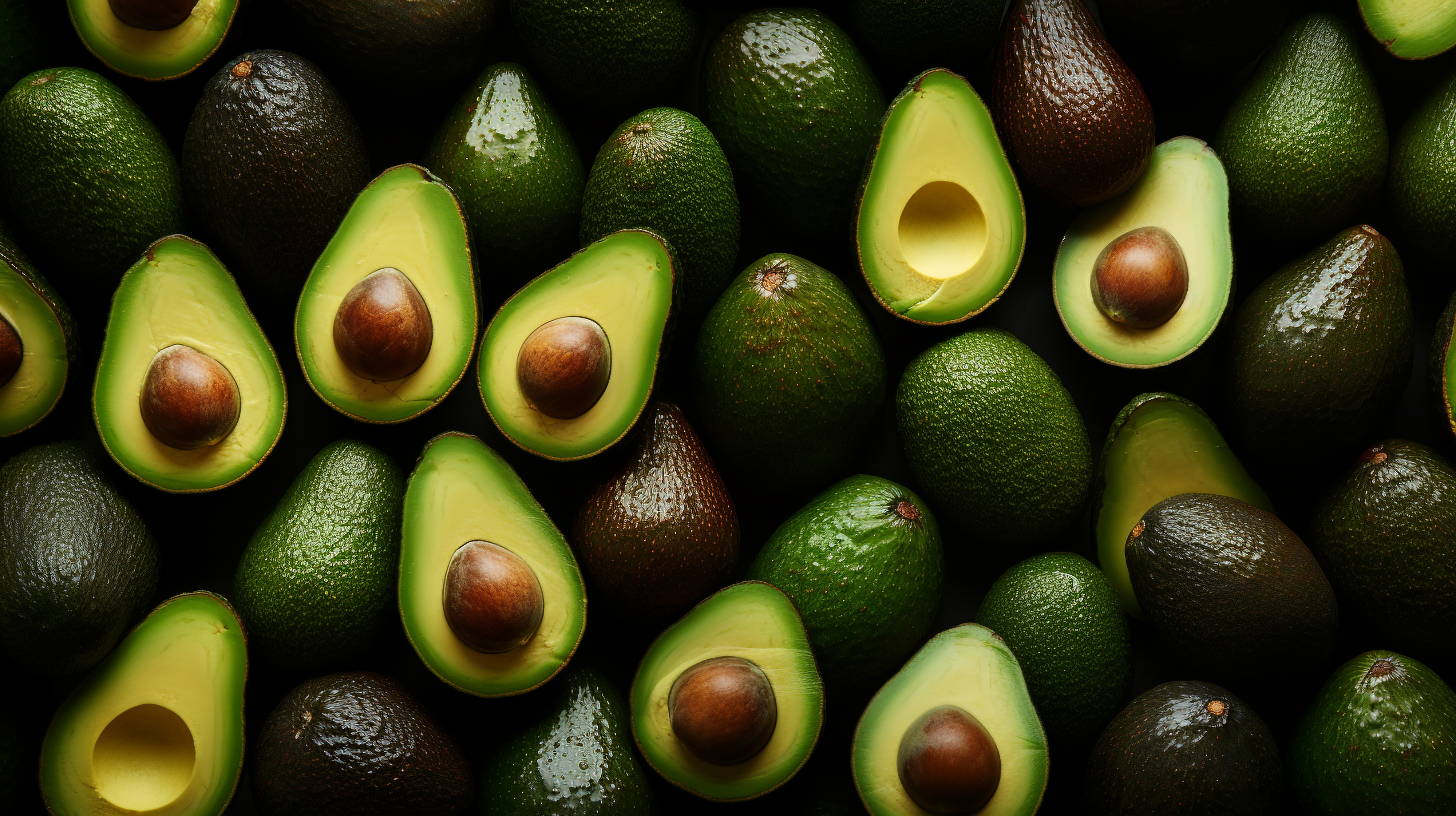
An avocado is roughly 70 to 75% flesh, 13 to 18% stone and 12 to 16% skin.
- Flesh: avocado oil, extracted mechanically
- Stone: avocado seed starch, processed physically, using only heat, water and milling, into a pregelatinised powder for industrial and, in time, cosmetic-grade non-food uses
- Skin and residues: anaerobic digestion (AD), so residues avoid landfill
Today and next
- Today: Verloop collects lower-grade and rejected imported fruit and routes it to established avocado processors in Spain, Europe's largest avocado-growing country.
- Next: full UK valorisation, using processing equipment adapted from olive oil production, so fruit that drops out of the supply chain in the UK is processed in the UK.
Who leads it
Verloop's fresh produce work is led by Johanna Buitelaar, Managing Director, who has 20 years in international supply chains.
Frequently asked questions
What happens to imported avocados that fall below Class II?
Imported avocados below Class II, often called Class 3 or Class 4 in the trade, fall outside the UNECE classes for fresh sale. Many are sent to anaerobic digestion. Verloop routes them to avocado processors in Spain instead, where they become products, and is developing full valorisation in the UK.
Where does valorisation sit in the food waste hierarchy?
In the UK government's food and drink waste hierarchy, processing surplus food into biomaterials ranks above anaerobic digestion and composting, and well above landfill. Turning avocados into oil and starch therefore moves them up the hierarchy compared with sending them to AD.
How does Verloop help with Courtauld 2030 reporting?
Verloop records the weight and final destination of every load in Verloop Vision. Importers and packers get evidence of how much fruit went to products rather than AD, by destination, ready for Courtauld, Food Waste Reduction Roadmap and retailer reporting.
What is avocado seed starch used for?
Avocado seed starch can be processed into a pregelatinised starch powder for industrial uses, and potentially for cosmetic-grade applications. Verloop's planned process is physical only, with no chemical modification.
Does Verloop work with other imported fruit?
Yes. Verloop routes fruit and vegetable outgrades into feed and AD today, and intends to apply the same valorisation model to other fruit stones, such as mango.
VERLOOP · NEXT STEP
Importer, ripener or packer with lower-grade avocados?
Email info@verloop.co.uk to see what that fruit could become, and where it lands in the waste hierarchy.